Your Cart is Empty


May is the time of one of Japan's busiest holiday seasons known as Golden Week. With four national holidays falling within a seven day period, most businesses close and people enjoy vacation, travel, and family outings. Perhaps the most well known of Golden Week's holidays is Kodomo no Hiこどもの日 (Childrens' Day), symbolized by the hanging of carp streamers throughout the country. Traditionally known as "Boys' Day," the fifth day of the fifth month is considered an auspicious day to offer incense at Japan's many temples and shrines as prayers for good fortune and protection for a family's children. Aloeswood is ideal for such offerings, and Kito Tenkundo's Juō's blend of rich earthiness combined with a distinctive sweetness make it an auspicious offering to make.
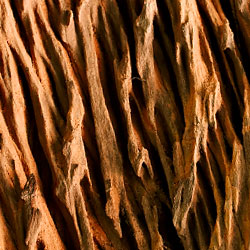
Juō is part of Kito Tenkundo's Luxury Line of fragrances Inspired by the beautiful natural setting of the ancient samurai capital of Kamakura. Described as a "premium sinking-grade aloeswood incense" made "from ancient trees that have lived out their lifespans, then slept underground for centuries, developing a sublime fragrance through a quiet dialogue with the earth," Juō represents the pure and profound connection with nature found in the ancient hills surrounding Kamakura.
Juō's muted khaki stick is sweet, with a pronounced caramelized maple syrup note giving it a lively curry presentation. Beneath this lies a smoky brightness, filled with spicy tones that are green, powdery, and earthy in their presentation. At first, the stick seems uni-dimensional with the maple syrup note dominating, but with extended attention, there is a great deal of complexity and depth in Juō's unlit stick, even without any of its aloeswood yet to be warmed. Unlit, Juō is traditional with a rich sweetness that is multi-layered and complex, filled with maple, fruity, spicy, and dry sweet tones mingling into a lively addicting fragrance.
Once lit, Juō begins with restrained tones of caramel mixed with a woody sweetness. Lighting shows a high concentration of oils, as they stick takes more vigorous shaking to extinguish than most. Warm fruity vanillac overtones take to the stage first, followed shortly afterward by the maple syrup note of the unlit stick, only now more toasted, softer, and reserved. To this, spicy notes of clove and cinnamon are gently added, presenting a light toasted powdery quality. Juō's sweetness early on is soft and smooth as silk, gently building in the space with a soft earthy tones lush with woody benzoin vanilla and spice.
As the stick warms Juō's sweetness adds a soft undercurrent of acidic wood as its aloeswood base comes to life. Combining with the initial sweet caramelized vanilla tones, this subtle woody acidity adds a grounded smoothness. Rich, earthy, and venerable, Juō's sweetness continues to build subtly, mixing elements like a Japanese dessert filled with cinnamon, clove, and maple syrup over the slightly sour fruity tones of aged wood used to bake it. Yet Juō's aloeswood note is reserved and soft, seemingly seeking out a role in harmony that adds to the other notes rather than commanding over them. The cumulative affect is that of a fragrance that is ancient, alive, and powerful, like the kami that inhabit the shrines to whom incense is offered on Kodomo no Hi.
In time something remarkably relaxing happens to Juō's tone: It both expands and contracts at the same time. Part of the fragrance seems to take the listener beyond the conscious mind, expanding awareness in a soft almost hypnotic calm. Yet another aspect wraps the listening in a warm relaxing embrace, driving awareness within, contracting reality into a safe, calming, state. Throughout the acidic woody base note continues to grow as the rich woody vanilla and fruity maple top notes recede from awareness, merging into a singular warm sweet woody tone. The overall affect is one of tranquility and agelessness, allowing the listener to effortlessly drift in Juō's wake in a truly beautiful experience of relaxation and harmony.
Juō's after note is lightly sweet, with a smooth creamy powdery quality. The vanilla tones of the burn take on a lighter more toasted quality, mingled with the restrained sweetness like a caramelized meringue with a somewhat marshmallow quality. To this, the lingering aloeswood tone transforms into a slightly green grassy note, combining the bitterness of tea leaves mingled with sweet grass. The result is a space that feels fresh, purified, and calm, the troubles of the day washed away. Juō's after note is unique in that it is woody, yet not wood forward, instead a balanced result that provides a feeling of being in the presence of something ancient and protective, calm yet powerful. Greeting the listener returning to the space of its burning even hours after its ember has gone out, Juō's after note is long lasting and distinctive.
An auspicious fragrance fit for Kodomo no Hi, Kito Tenkundo Juō is unique in that it is premium aloeswood incense that is beautifully sweet where its wood base serves to enhance the overall fragrance rather than dominate it. With warmth and sophistication that is both ancient and alive, Juō is filled with a toasted green sweetness, calming tranquil personality, and delightful long lasting after-note.
Just as spring transforms to summer
Boys grow to manhood,
Not realizing what they leave behind.

Kito Tenkundo Juō is available in the following size(s):
240-stick cloth covered box
****
Learn more about the ancient samurai capital of Kamakura and its influence on the Japanese art of incense in the book: The Fragrant Path: A Guide to the Japanese Art of Incense. Filled with practical suggestions, useful tips, and an exploration of the history, selection, use, and appreciation of this uniquely Japanese art form, The Fragrant Path offers a rare, comprehensive look into the Japanese art of incense in the first in-depth English-language book on the subject in nearly three decades.