Your Cart is Empty


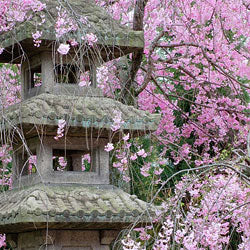
December is the month of Oosouji 大掃除 (Big House Cleaning) where the Japanese clean their houses a deep cleaning to welcome the spirit of New Year into a purified home. Traditionally in Shinto beliefs, Toshigami 年神 (New Year god) enters the home on New Year's day, bringing good fortune with him. Shochikubai's 松竹梅 auspicious "three friends of winter," pine, bamboo, and plum, are used to decorate for New Year. Of the three, the first plum represents perseverance and vitality and is often used to symbolize gift giving. Associated with Sugawara no Michizane (845-903 CE), the scholar-poet of the Heian period and Shinto patron deity of learning, plum blossoms are also associated with good fortune and academic achievement. Believed to be fortuitous talismans for warding off evil spirits, the first plum blossoms of the season in classical art, poetry, and literature represent purity, dignity, and quiet grace. It is to the first plums that Baikundo Gokujō Hatsuumeko pays homage.
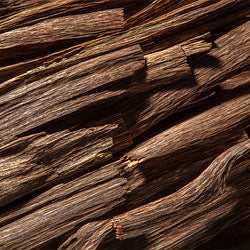
Described as “the finest fragrance among the first plums,” Gokujō Hatsuumeko is a signature fragrance of Baikundo with a long history in Japan. Made by combining high-quality natural sandalwood, aloeswood, and white musk, Gokujō Hatsuumeko is described as being "based upon a secret recipe created to produce all five tastes of the Gomi: sweet, sour, spicy, bitter, and salty." Refined and elegant, Gokujō Hatsuumeko is an expression of the quiet grace and purity of Japan's first plum blossoms used to decorate for New Year's day.
Gokujō Hatsuumeko's milk chocolate brown stick is soft, powdery, and lightly sweet. For an blend of classic Japanese fragrant woods, it is surprisingly floral, highlighting a decidedly reserved Japanese approach to such tones through its use of white musk. The stick feels feminine, refined, and haute couture, eliciting softly sweet notes of soapstone and French perfume from it musky wood blend.
Once lit, Gokujō Hatsuumeko begins with a warm sour tone that is tinged with a lightly saltiness. This is quickly followed by a soft powdery sweetness juxtaposed by a hint of earthy bitterness. As these two top note blend, a sort of spiciness arises, giving its overtone a defined form, as if bringing the fragrance into sharper focus. Yet despite all that Gokujō Hatsuumeko fragrantly brings to life, the overall fragrance is soft, gentle, and receding, giving the impression of a highly cultured woman of art in her finest silks.
With time, Gokujō Hatsuumeko blends all the five tastes of the Gomi into a unified fragrance that is powdery, silky, and alive. Unlike the transparent nature of a shy wallflower, Gokujō Hatsuumeko captures the space tastefully and artfully, yet with deliberate subtleness; its presence felt without being showy. Filled with a soft spiciness moderated with overtones of powdery sweetness, Gokujō Hatsuumeko highlights the purity and quiet grace of the first plums. Known as “welcoming incense," Gokujō Hatsuumeko is a popular incense in Japan for use in the entranceway of a home or room for its profound and elegant fragrance for just this reason.
As a blend of woods and white musk, Gokujō Hatsuumeko highlights the finer characteristics of its classic ingredients. From sandalwood comes a decidedly smooth, silky, creaminess filled with a light sweetness. From aloeswood, a hint of saltiness mixed with a faint earthy bitterness providing the foundation. From its white musk, a soft powdery floral sweetness of femininity contrasted with the lightly spiciness of the refined skill of disciplined practice. The balancing of these elements by Baikundo is a masterful display of the Japanese art of incense, the least known of Japan's three major geido (arts of refinement) once studied in tandem with the tea ceremony. Due to the relationship between the first plum and Sugawara no Michizane, the Shinto patron deity of learning, Gokujō Hatuumeko is especially popular among Japanese students with a reputation as the “incense for entrance exams.”
After the burn is complete, Gokujō Hatsuumeko's after-note shifts to a soft transparent tone that is deeply resonant, grounded by a residual woodiness that is blend of earthy and salty. Over this remains a slight floral sweetness, now reduced, mixed with sour tang that exists to balance the woodier top note. The elegance of the burn remains, anchoring the space with a quiet beauty filled with cultured grace, combined in an afternote that is gently reassuring for many hours.
A complex fragrance woven from rare fragrant woods and traditional aromatic ingredients, Gokujō Hatsuumeko is a rich combination of lightly spicy and softly sweet, leaving a gentle after-note that is calming and enduring. Made to highlight the gift giving symbolization of the first plum blossoms, Gokujō Hatsuumeko is available in both exquisite Gold and Kiri boxes ideal for gifting. The Gold Box has a shining lively gold wood texture. The Kiri box is made of Paulonia wood and wrapped in beautiful washi paper.
Gray skies of stick season
remind me to clean house
and await the New Year god.

Baikundo Gokujo Hatsuumeko is available in the following sizes:
65-stick Gold Gift Box
160-stick Washi Kiri Gift Box
****
Learn more about the role of the plum blossom upon the art of incense in the book The Fragrant Path: A Guide to the Japanese Art of Incense. Filled with practical suggestions, useful tips, and an exploration of the history, selection, use, and appreciation of this uniquely Japanese art form, The Fragrant Path offers a rare, comprehensive look into the Japanese art of incense in the first in-depth English-language book on the subject in nearly three decades.