Your Cart is Empty


The third month in the traditional Japanese calendar is known as Yayoi (弥生), “the month of renewed growth.” March sees trees grow lush and flowers begin to bloom as nature celebrates the arrival of spring and the new life it brings. Considered an auspicious day in the traditional calendar, the third day of the third month holds specific significance as the day of Hina Matsuri, the festival celebrating Japan's daughters. Held each year on March 3rd, the origins of Hina Matsuri can be found over 1,000 years ago during Japan's Heian Period (749 - 1185 CE). Traditionally, families display hina dolls shortly before the festival while offering prayers for the health and happiness for their beloved daughters. The tradition of displaying hina dolls has its roots in the ancient practice of protecting daughters from harm by using the dolls to symbolically absorb potential misfortune and illness ensuring the child's health and happiness. One of the largest displays of Hina dolls takes place at Susanoo Shrine in Izu Inatori. Each year, hundreds of dolls are set up over the 118-step stone staircase leading to Susanoo Shrine to welcome the arrival of spring in a stunning display that attracts thousands of Japanese.
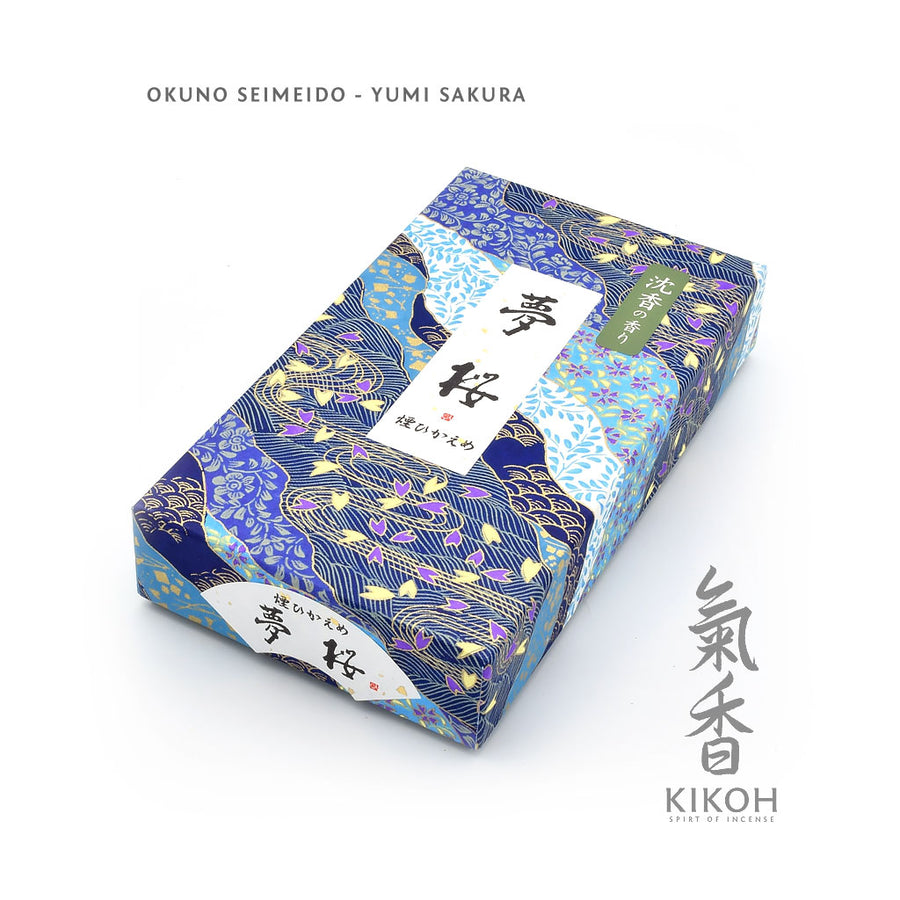
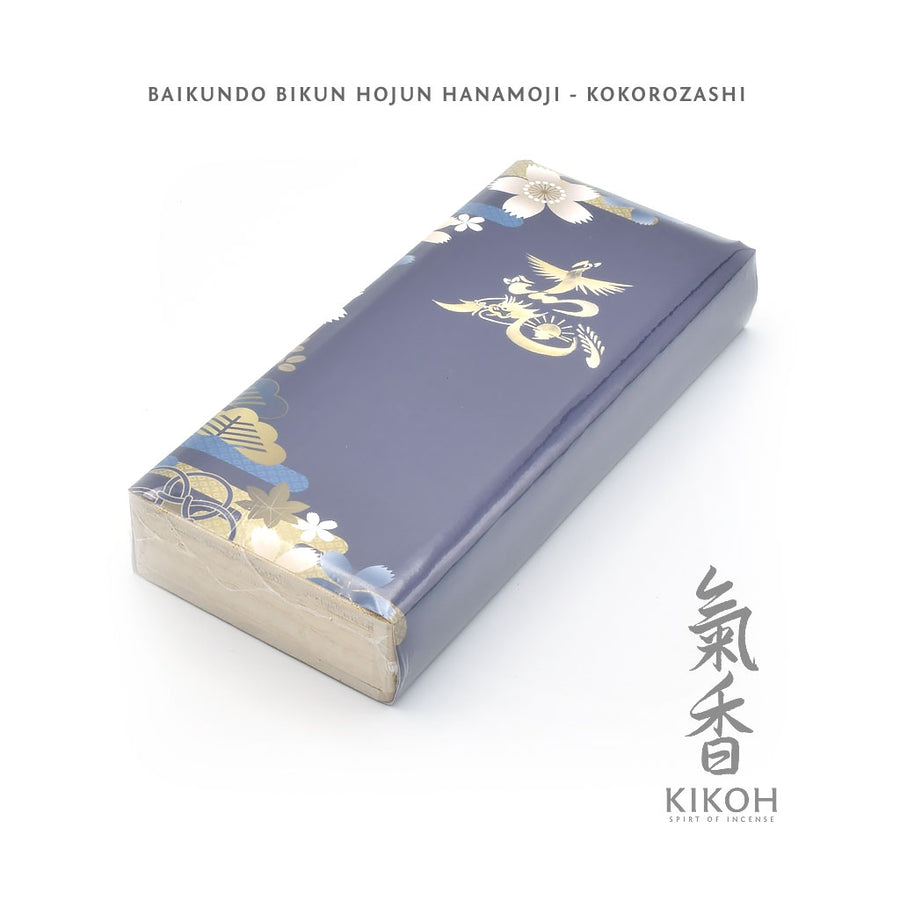
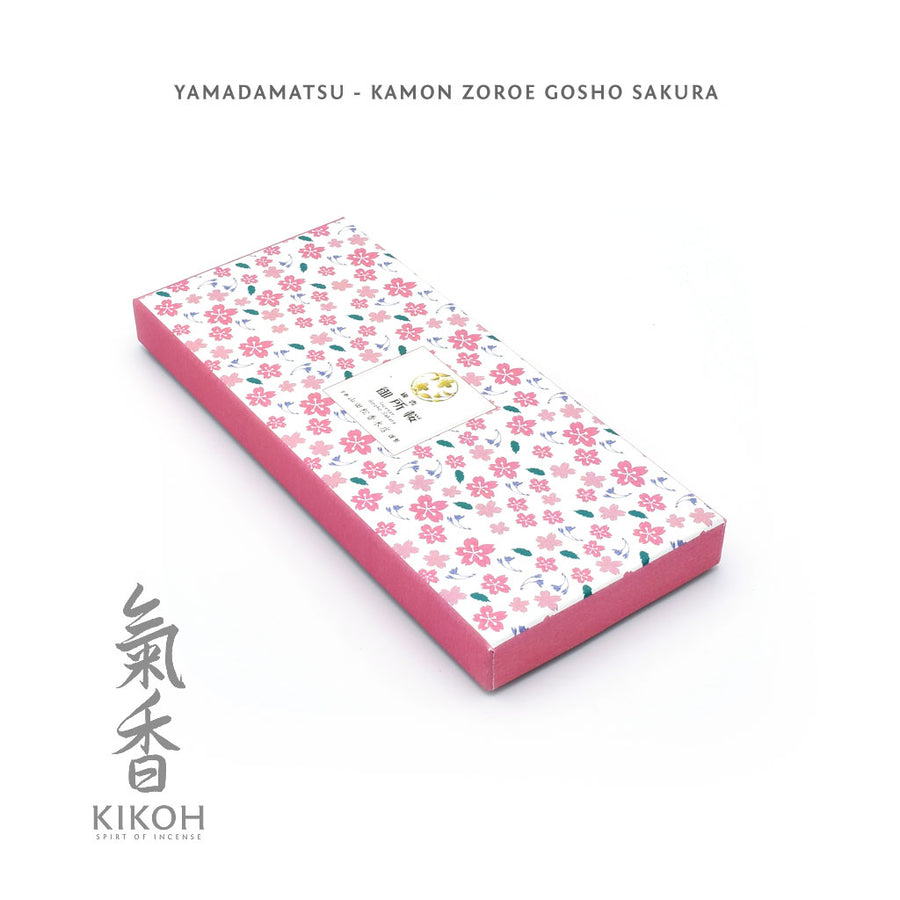
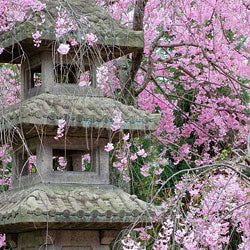
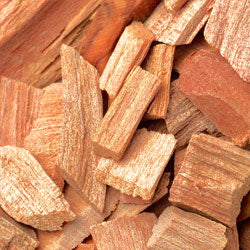
During Hina Maturi incense is used both for purification as well as an offering for the good fortune for a family's daughters. Fragrances of spring cherry blossoms echo the rosy cheeks of young girls, and incenses featuring sandalwood and traditional ingredients such as clove and frankincense are used to purify the doll display and attract good fortune for the growth, well being, and happiness of a family's daughters.