Your Cart is Empty


Known as "The Month of Layering", Kisaragi represents the second month in the traditional Japanese calendar. As a bridge between winter and spring, February sees signs of spring begin to appear, yet the cold of winter persists, prompting the wearing of extra layers to keep the waning chill at bay. To celebrate the change of winter to spring, the traditional festival of Setsubun (節分) is held on the last day of winter in the traditional Japanese calendar. As the traditional Japanese calendar is lunar/solar based, the date of the festival is not fixed, but typical held around February 3rd. One of the centuries old customs of Setsubun is the bean-throwing ritual of mamemaki (豆まき). To drive away bad luck and encouraging good fortune for the new season, fukumame (福豆, fortune beans) are thrown out one's front door or ceremonially at people wearing an oni (鬼, demon) mask with shouts of "Demons out! Good fortune in!" Setsubun is a joyous celebration of winter's ending and the impending rebirth of spring.
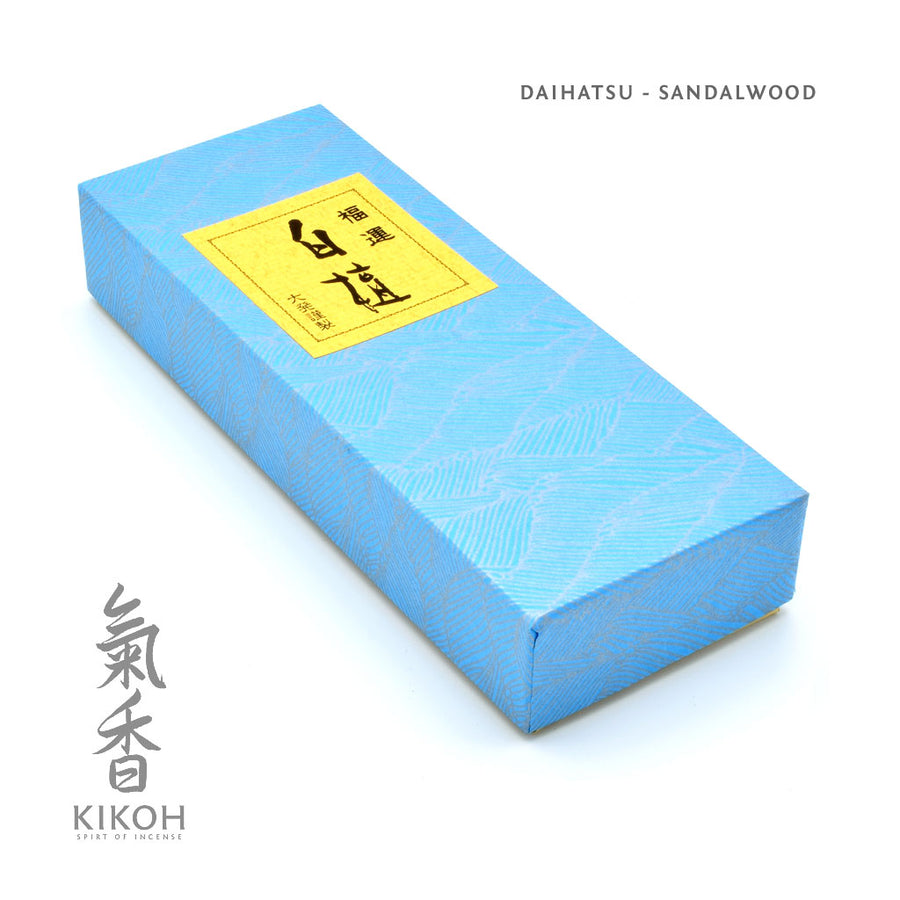
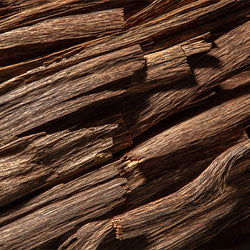
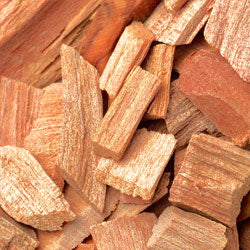
Incense is often used to celebrate the end of winter and welcome spring. For Setsubun, kōgō in the shape of oni, with their deep red color and sharp horns and fangs, are used to hold incense for Kōdō and Chadō ceremonies. To celebrate spring’s return, the kumikō Risshun-kō (立春香) uses as its poetic framework the first poem from the Kokin Wakashū (c. 920 CE) which highlights the variability of the date of the first day of spring. Incense often features plum blossom fragrances, as the plum tree is the first to bloom, even with the snow of winter still upon it. Auspicious incense is favored, especially aloeswood or sandalwood blends intended to attract good fortune.